
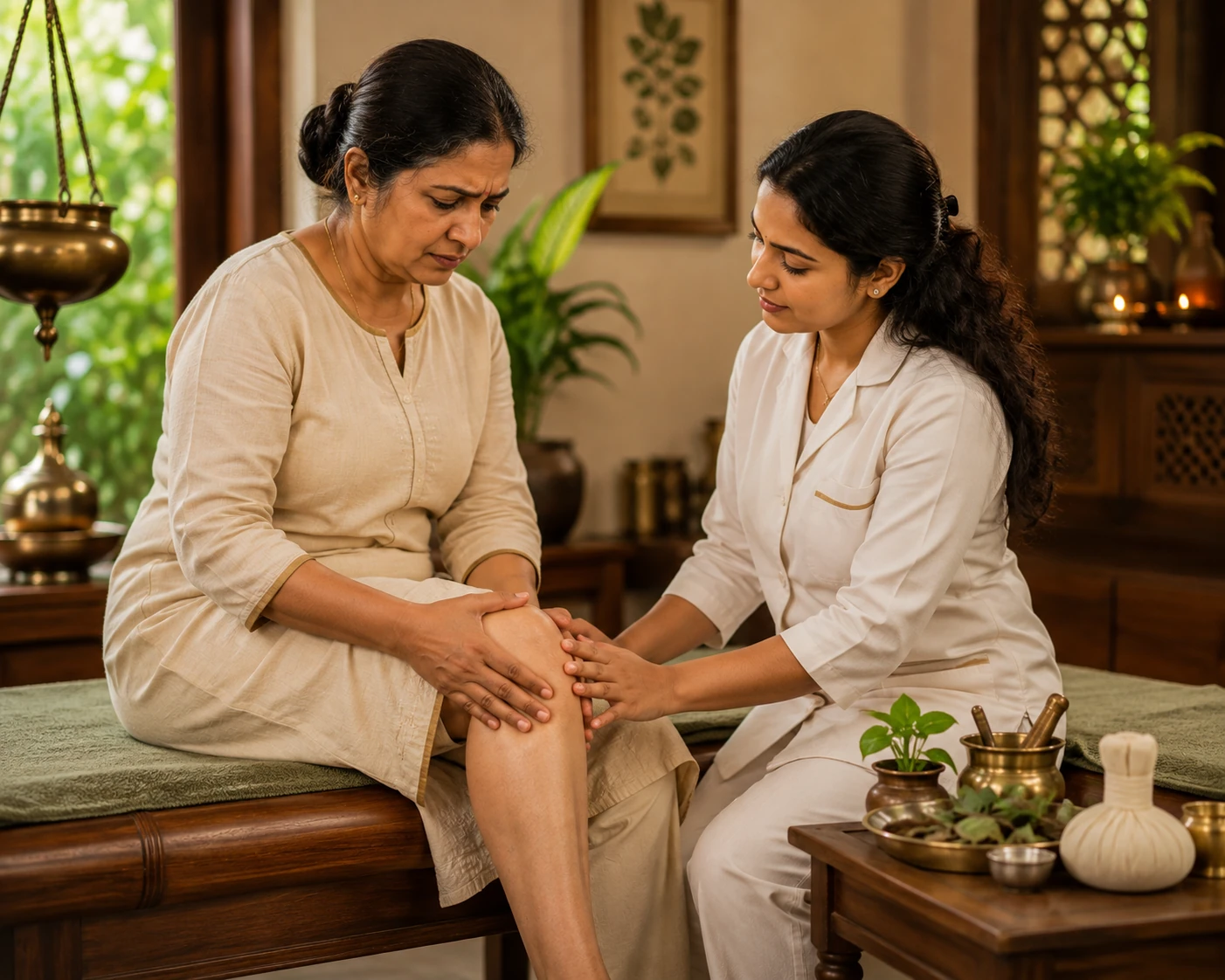
Wondering when it's the right time to consider Ayurvedic knee pain treatment? If you're experiencing stiffness, swelling, reduced mobility or early signs of arthritis, Ayurveda offers a holistic and natural path to relief. By identifying the body's imbalances early, traditional Indian medicine helps restore joint health, improve flexibility and prevent long-term damage.
In this guide, you'll learn the early symptoms you shouldn't ignore, how Ayurveda approaches knee pain, and when to seek treatment for lasting results.
Understanding Knee Pain in Modern Lifestyle
Knee pain is no longer limited to aging individuals — it affects people across all age groups. Modern lifestyles contribute significantly to joint discomfort. Hours spent sitting at desks, lack of exercise, poor posture and even overtraining in gyms all put stress on the knees. Add factors like obesity and improper footwear, and the result is an increasing number of people suffering from joint stiffness and mobility issues.
In Ayurveda, these issues are seen not just as physical strain but as deeper imbalances in the body's natural energies. Recognising these imbalances early can prevent them from progressing into chronic conditions.
Why Early Detection Matters in Joint Health
Early detection of knee problems is key to preserving mobility and avoiding invasive treatments later. Addressing knee issues at the initial stage helps:
- Prevent worsening of symptoms: Early care reduces the risk of cartilage damage and arthritis progression.
- Maintain joint flexibility: Immediate action ensures daily activities remain comfortable.
- Enhance recovery chances: Ayurveda works best when applied early, restoring natural balance before degeneration sets in.
Waiting until pain becomes unbearable may limit your treatment options. Instead, timely Ayurvedic treatment for joint pain offers a safer, more sustainable approach.
Common Early Signs & Symptoms You Shouldn't Ignore
Knee pain often develops gradually, and the body gives subtle warnings before the condition becomes serious. Some of the most important signs include:
- Morning stiffness that eases after movement
- Mild but recurring pain that worsens with activity
- Swelling or inflammation around the joint
- Clicking or popping sounds during movement
- Reduced flexibility when bending or stretching
- Instability, or a feeling that the knee might give way
Ignoring these signs can allow conditions like arthritis or ligament damage to progress. Seeking holistic healing for joint issues at this stage can prevent long-term complications.
How Ayurveda Approaches Knee Pain & Its Root Causes
Ayurveda interprets knee pain as a reflection of imbalances in the body's doshas:
- Vata imbalance: Causes dryness, cracking and stiffness.
- Pitta imbalance: Leads to inflammation, heat and redness.
- Kapha imbalance: Results in swelling, heaviness and fluid buildup.
Rather than suppressing symptoms, Ayurveda identifies these imbalances and applies personalised therapies, herbal remedies and lifestyle corrections. This root-cause approach ensures more lasting results compared to short-term relief methods.
When to Seek Ayurvedic Knee Pain Treatment
You should consider Ayurvedic care if you experience:
- Stiffness or pain lasting more than two weeks
- Discomfort during daily movements like walking or climbing stairs
- Swelling that returns even after rest
- Reduced range of motion or flexibility
- Dependence on painkillers for temporary relief
These warning signs mean it's time to explore natural remedies for knee pain, rather than waiting until the condition becomes severe.
Ayurvedic Therapies & Natural Remedies for Relief
Ayurveda offers a wide range of safe, time-tested treatments that combine detoxification, herbal support and strengthening therapies. Some of the most effective include:
- Panchakarma detox: A powerful cleansing therapy that removes toxins (ama) from the body, reducing inflammation and improving overall health.
- Abhyanga (herbal oil massage): A rejuvenating massage with warm oils that nourishes joints, improves circulation and reduces stiffness.
- Janu Basti: A localised treatment where warm medicated oil is retained on the knee joint, providing deep relief from pain and swelling.
- Herbal formulations: Herbs such as Ashwagandha, Guggulu and Shallaki are prescribed to strengthen cartilage, reduce swelling and restore balance.
- Dietary adjustments: Anti-inflammatory foods, fresh vegetables, spices like turmeric and ginger, and warm meals support natural healing.
These remedies are non-invasive and customised to each person's body constitution.
Benefits of Choosing Ayurveda Over Conventional Approaches
Conventional medicine often focuses on short-term relief through medication or, in severe cases, surgery. Ayurveda, on the other hand, provides:
- Natural healing without harmful side effects
- Root-cause solutions by addressing dosha imbalances
- Holistic benefits for digestion, immunity and energy alongside joint relief
- Preventive care that reduces the risk of recurrence
- Personalised treatment plans tailored to each individual
This holistic approach ensures not just relief from knee pain but also better overall wellbeing.
Lifestyle & Preventive Measures for Long-Term Joint Health
Ayurveda emphasises prevention as the foundation of health. Simple daily practices can protect knee joint health and complement professional treatments:
- Practice yoga and stretching for flexibility and strength
- Maintain a healthy weight to reduce strain on the knees
- Do regular oil massage (Abhyanga) to lubricate joints naturally
- Follow an anti-inflammatory diet rich in whole grains, greens and spices like turmeric
- Avoid exposure to cold and dampness, which can aggravate joint pain
- Use proper posture and supportive footwear to prevent undue pressure
With consistent effort, these measures can help you preserve mobility and reduce the risk of chronic joint conditions.
Don't Ignore the Early Signs — Heal with Ayurveda Now
Knee pain is often a signal that your body needs care — not something to ignore or cover up with painkillers. Early signs such as stiffness, swelling or restricted mobility indicate the importance of timely intervention. Ayurveda provides a safe, natural and holistic path to recovery, focusing on long-term joint health rather than short-lived relief.
If you're noticing these early warning signs, now is the best time to take action. At Kayakalpa, we provide authentic Ayurvedic therapies designed to restore balance, reduce pain and improve mobility naturally. Book your consultation today and take the first step toward healthier, pain-free knees.
Frequently Asked Questions
If your discomfort lasts more than two weeks, keeps coming back after rest, or includes stiffness, swelling or reduced mobility, it's a good time to explore Ayurvedic knee pain treatment. Early care helps prevent the condition from worsening.
Yes. Ayurveda is effective in managing arthritis by reducing inflammation, improving mobility and restoring joint health naturally. Therapies and herbal support also help slow down further damage.
Common therapies include Panchakarma detox, Abhyanga (herbal oil massage) and Janu Basti (warm oil pooling on the knee). These treatments relieve pain, reduce swelling and strengthen the joint.
Yes. Ayurvedic remedies use natural herbs and oils, making them safe for long-term use when guided by an experienced practitioner. They focus on balancing the body and improving overall wellness.
Mild cases may improve in a few weeks, while chronic joint conditions may take a few months of consistent therapies, lifestyle changes and diet support to achieve lasting results.