
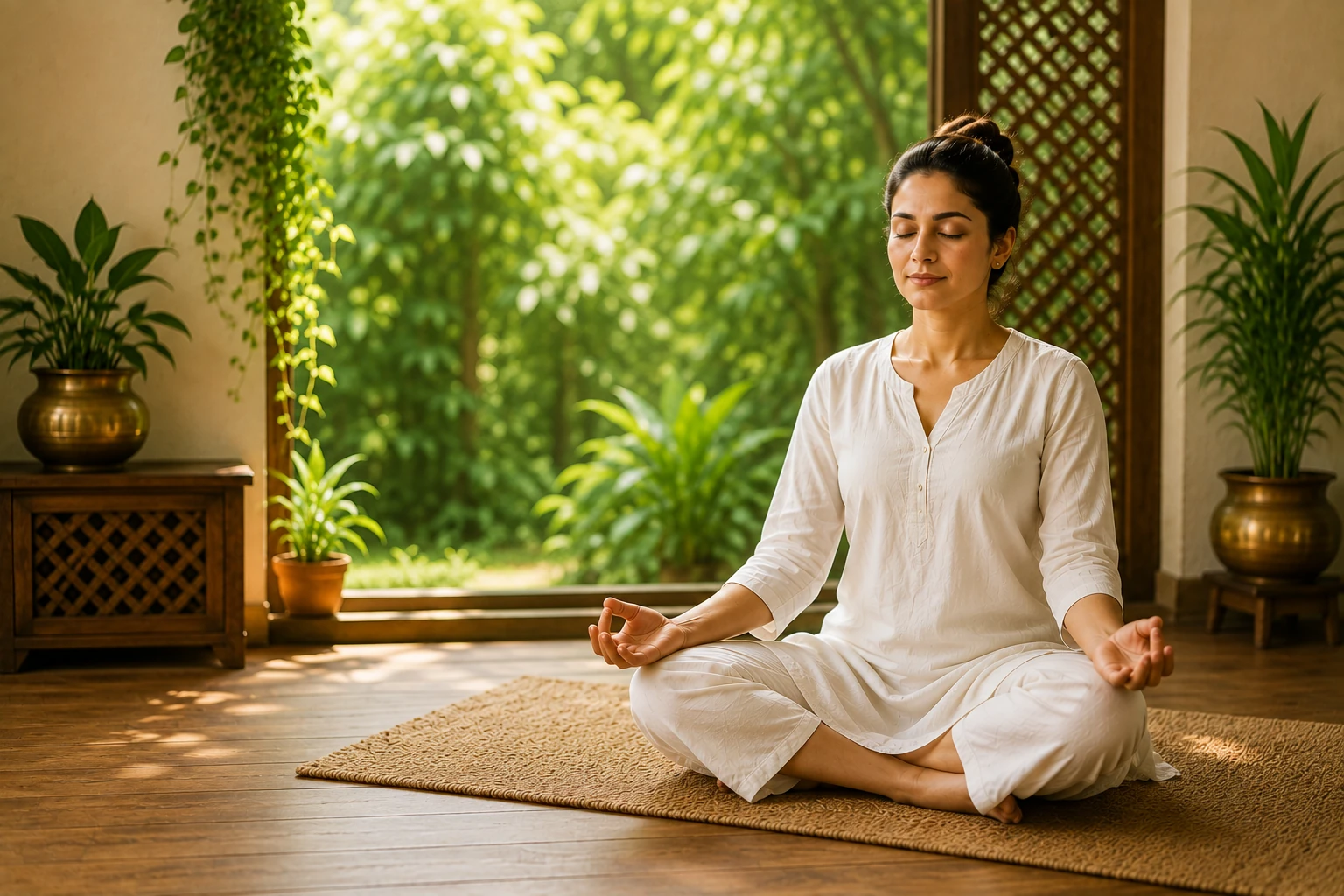
Stress management is an important topic that should be discussed in this modern era since stress has become a common companion in our daily lives. Chronic stress, whether brought on by personal struggles, work pressure, or technology overload, can have a negative impact on one's mental and physical well-being. The good news is that Ayurveda provides time-tested techniques for restoring balance and fostering inner peace.
Ayurveda views stress not just as a mental issue, but as an imbalance of the body's energies (doshas). By understanding your unique constitution and using natural remedies, lifestyle changes, and mindful practices, you can significantly reduce stress and enhance overall well-being.
1. Know Your Dosha to Personalize Stress Relief
In Ayurveda, every individual has a unique mind-body type, or dosha. Stress affects each dosha differently:
-
Vata Types May experience anxiety, restlessness, and insomnia.
-
Pitta Types Can get angry, frustrated, or judgmental.
-
Kapha Types Might feel sluggish, withdrawn, or depressed.
Understanding your dosha allows you to tailor your stress relief practices for better results. You can take a simple Ayurvedic quiz or consult an Ayurvedic clinic to determine your dosha.
2. Follow a Grounding Daily Routine (Dinacharya)
A consistent daily routine helps calm the nervous system and reduce anxiety. Ayurveda emphasizes:
-
Morning Routine Waking up early, preferably before sunrise.
-
Oil Massage (Abhyanga) With warm sesame or coconut oil to soothe the nerves.
-
Cleansing Practices Tongue scraping and nasya (nasal oil application) to clear the mind.
-
Mindful Meals Eaten at regular times and in a peaceful environment.
-
Restful Sleep Sleeping before 10 PM to promote restorative rest.
Even small routine changes can help create stability and reduce stress levels.
3. Use Herbal Support for Calmness and Clarity
Several Ayurvedic herbs are known for their adaptogenic and calming properties:
-
Ashwagandha Balances cortisol levels and promotes emotional resilience.
-
Brahmi Enhances mental clarity, reduces anxiety, and supports cognition.
-
Tulsi (Holy Basil) Strengthens the immune system and helps relieve emotional tension.
-
Jatamansi A natural sedative herb that supports relaxation and restful sleep.
These herbs can be taken as teas, powders, or capsules, but it's best to consult an Ayurvedic expert for proper dosage and combinations.
4. Practice Pranayama and Meditation
Ayurveda considers breathwork (pranayama) and meditation essential tools for calming the mind and nervous system. A few practices to try:
-
Nadi Shodhana Alternate nostril breathing that balances energy channels and promotes mental clarity.
-
Bhramari Calms the mind and lessens chatter.
-
Mantra Meditation Meditation with mantra chanting creates a sense of inner stillness and focus.
Even 10–15 minutes daily can make a big difference in how you respond to stress.
5. Eat a Sattvic Diet for Mental Clarity
A sattvic diet, one that promotes purity and balance, is key in managing stress. Ayurveda recommends:
-
Fresh Foods Fresh, seasonal fruits and vegetables.
-
Whole Grains Whole grains like rice, quinoa, and barley.
-
Healthy Fats Ghee, olive oil, and coconut oil.
-
Warm Spiced Meals Warm, cooked meals spiced with mild spices such as cumin, ginger, and turmeric.
Avoid stimulants like caffeine, processed foods, and excessive sugar, which can aggravate stress and imbalance the doshas.
6. Detox Gently with Herbal Teas and Restorative Practices
Occasional detoxification helps clear mental and physical toxins (ama) from the body. You can try:
-
Detox Drinks In the morning, warm lemon water or a tea made with cumin, coriander, and fennel.
-
Digital Detoxes To reduce mental clutter.
-
Restorative Movement Gentle yoga and restorative movement instead of high-intensity workouts when feeling burned out.
These practices allow your mind and body to recharge naturally.
Final Thoughts: Cultivating Inner Peace the Ayurvedic Way
According to Ayurveda, stress is a signal to realign our life with the cycles of nature rather than something to be suppressed. You can experience stress management as well as a greater sense of inner peace and resilience by implementing straightforward yet effective Ayurvedic techniques into your daily life.
Start simple, maybe with herbal tea, focused breathing, or an oil massage every day, and see how your body and mind react. These customs have the potential to eventually stabilize a world that is otherwise tumultuous.
Frequently Asked Questions
Ayurveda views stress not just as a mental issue, but as an imbalance of the body's core energies or doshas (Vata, Pitta, and Kapha).
Dinacharya is a grounding daily routine emphasizing early rising, oil massage (Abhyanga), mindful meals, and consistent sleep schedules to calm the nervous system.
Adaptogenic herbs like Ashwagandha, Brahmi, Tulsi, and Jatamansi help balance cortisol, promote emotional resilience, and support relaxation.
A Sattvic diet promotes purity and balance through fresh seasonal fruits, whole grains, healthy fats, and warm cooked meals spiced gently with cumin and turmeric.
Alternate nostril breathing (Nadi Shodhana) balances energy channels, clears mental clutter, and promotes mental clarity and calm.